
I have osteoarthritis, take medications, but the treatment doesn't help—why is this happening?
Six-month follow-up results in patients with knee osteoarthritis
I decided to investigate the treatment outcomes of patients with knee osteoarthritis over the past six months, and the results were compelling. The group of patients who received comprehensive therapy achieved significantly better outcomes than those who relied solely on medication—primarily online patients and those depending exclusively on pharmaceutical effects.
The effect of medication without a comprehensive approach
For instance, patients who received only anti-inflammatory drugs and chondroprotectors experienced reduced pain, but the pain returned once the medications were discontinued. They still struggled to walk moderate distances, climb stairs, or stand for extended periods.
Advantages of comprehensive therapy and real-world outcomes
Conversely, patients who combined medications with physiotherapy, therapeutic exercises, and lifestyle modifications demonstrated substantially greater improvements in pain relief and functional activity.
While before treatment these patients could climb at most one and a half flights of stairs, their functional capacity increased threefold post-treatment—allowing them to climb slightly more than four floors. A similar improvement was observed with walking on level ground and standing for longer durations.
Treatment and rehabilitation program
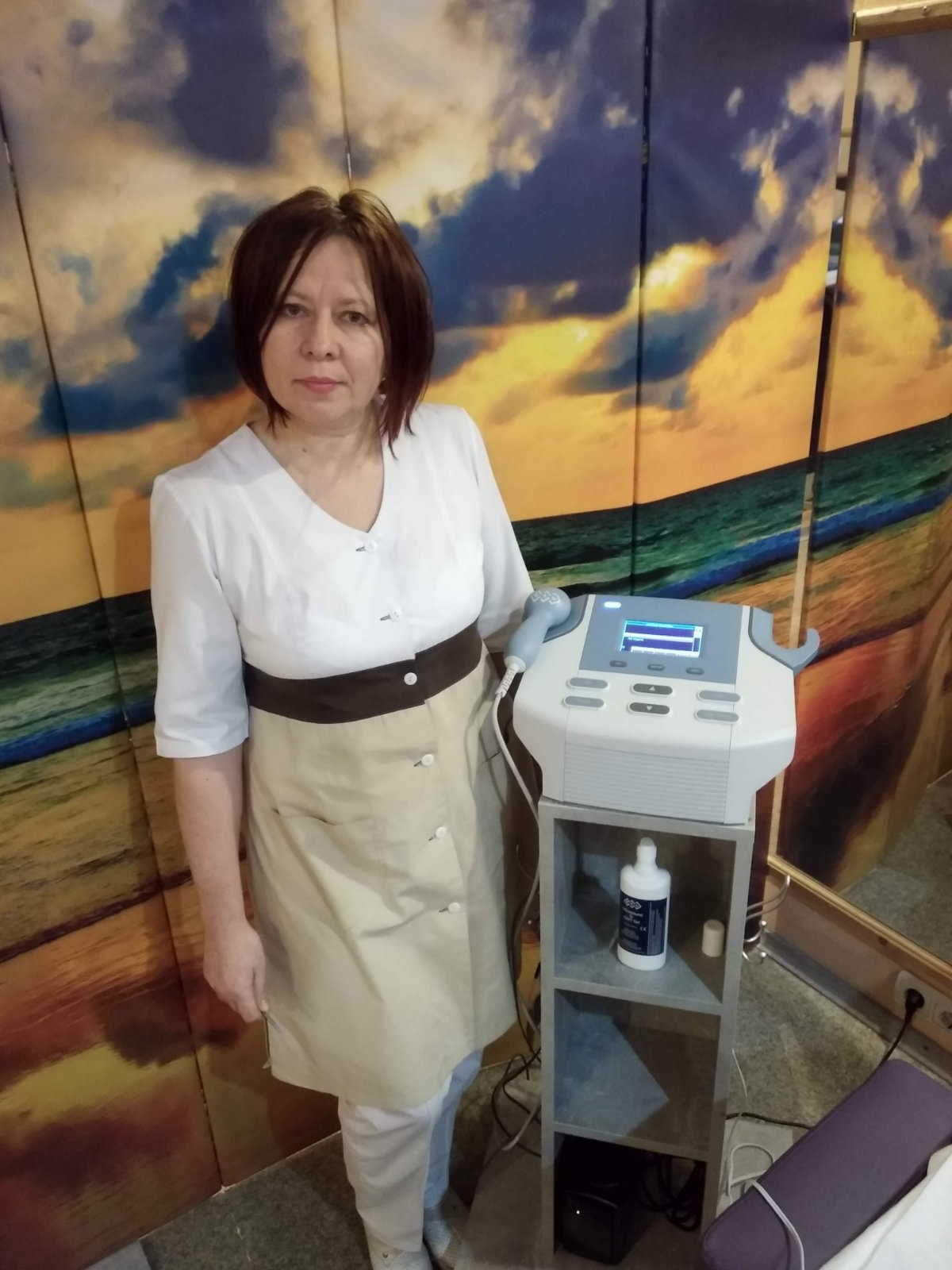
 These patients performed tailored exercise regimens designed to strengthen the periarticular muscles and enhance joint mobility. Alongside physical therapy exercises, they were prescribed magnetotherapy, high-intensity laser therapy, and electrotherapy (administered on alternating days where appropriate).
Following the active course, patients were advised to gradually increase joint load by five minutes each week toward a target of thirty minutes per day. At the follow-up examination, patients reported pain reduction on the pain scale from 9 down to 4 points.
Conclusions and European clinical evidence
This small-scale clinical observation corroborates broader studies conducted across European countries: medications can sustainably control pain symptoms and functional impairment only when paired with physical therapy, therapeutic exercise, and lifestyle interventions—including weight loss in overweight patients.
Therefore, a comprehensive and personalized management plan ensures long-term pain reduction and restored range of motion, allowing patients to stay active, work, enjoy life, and avoid becoming a burden to their loved ones.
Contact Information
Contact us at: 63 Kamianetska St., Khmelnytskyi
Phone: +38(098)997 17 09; +38(063)631 50 35
Tamara Vitaliivna Kononenko, Rheumatologist