
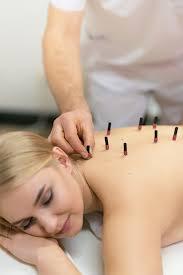
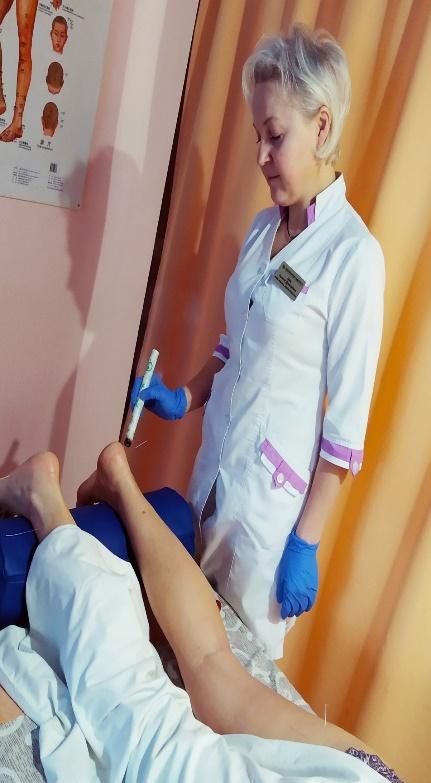
REFLEXOTHERAPY is a method of treatment and prevention of diseases of the human body, based on the stimulation of acupuncture points (APs) of the human body and the stimulation of reflexogenic zones (RZs).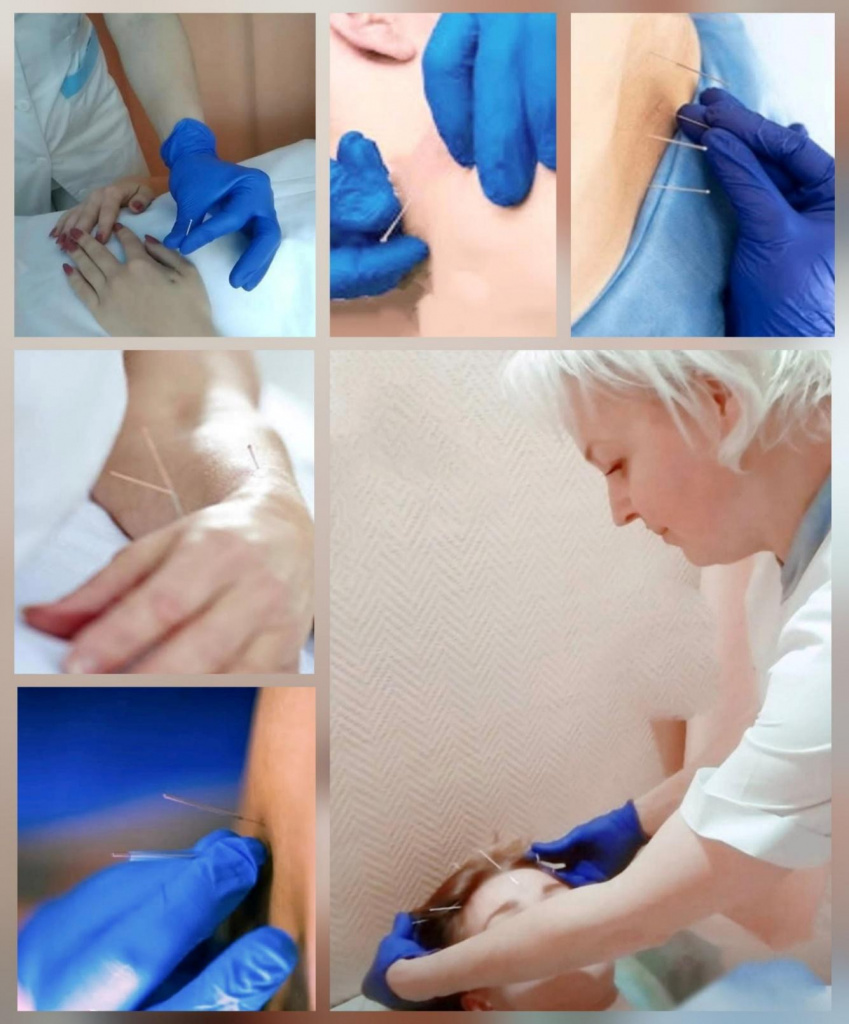
- Corporal acupuncture (APs of the human body);
- Auricular acupuncture or auriculotherapy (APs of the auricle);
- Zhen-Jiu therapy (warming of APs with wormwood cigars or moxas);
- Pharmacopuncture (injection of medicines into APs — acupuncture points).
Corporal Acupuncture (Acupuncture)
This is a method of prevention, rehabilitation, and treatment of diseases of the central and peripheral nervous system, cardiovascular, respiratory, endocrine, immune systems, diseases of the gastrointestinal tract, as well as other organs and systems by influencing the human body through acupuncture points (APs) and reflexogenic zones (RZs).
Treatment using reflexotherapy methods is performed by a reflexotherapist who holds a Specialist Certificate in "Reflexotherapy" and has the appropriate qualification category.
Scientifically Proven Mechanism of Action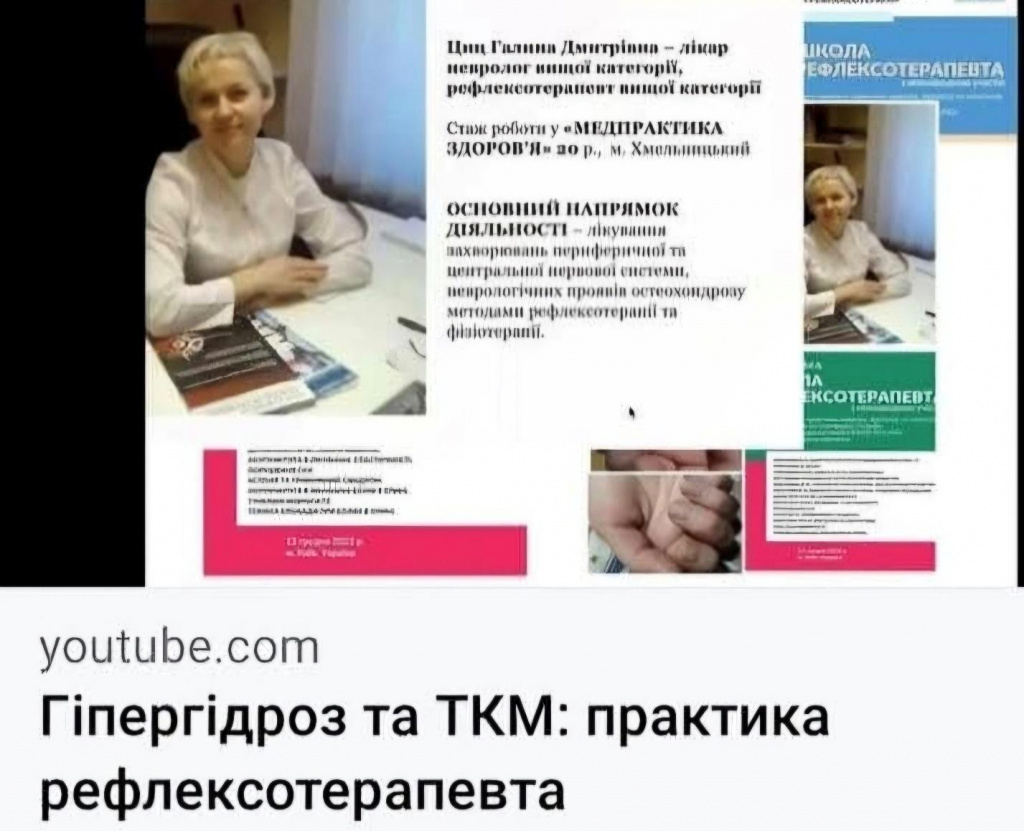
It is generally recognized and proven that acupuncture and reflexotherapy during a session stimulate the production of endogenous opioids: endorphins, enkephalins, as well as biologically active substances in the human body, the increased concentration of which causes a state of reflex pain relief (analgesia)!
Locally, at the neuronal level, enkephalins and endorphins affect the K-Na pump by reducing the penetration of sodium ions into the cell. Central neuronal mechanisms of reflex pain relief act through the posterior horns of the spinal cord and spinal ganglia, where the "blocking" of pain impulses from the affected organ takes place.
Acupuncture prescriptions, selection of points and reflexogenic zones of influence, as well as the number of sessions, are determined by the treating reflexotherapist, taking into account the scheme of innervation and vegetative control over the functioning of internal organs.
After consultation with a reflexotherapist, additional laboratory and instrumental diagnostic methods, and establishment of an acupuncture diagnosis, an individual treatment plan is drawn up for each patient. It is based on a professional understanding of the acupuncture method according to the concepts of Traditional Chinese Medicine and fine mastery of the methods of influencing acupuncture points according to the relevant rules.
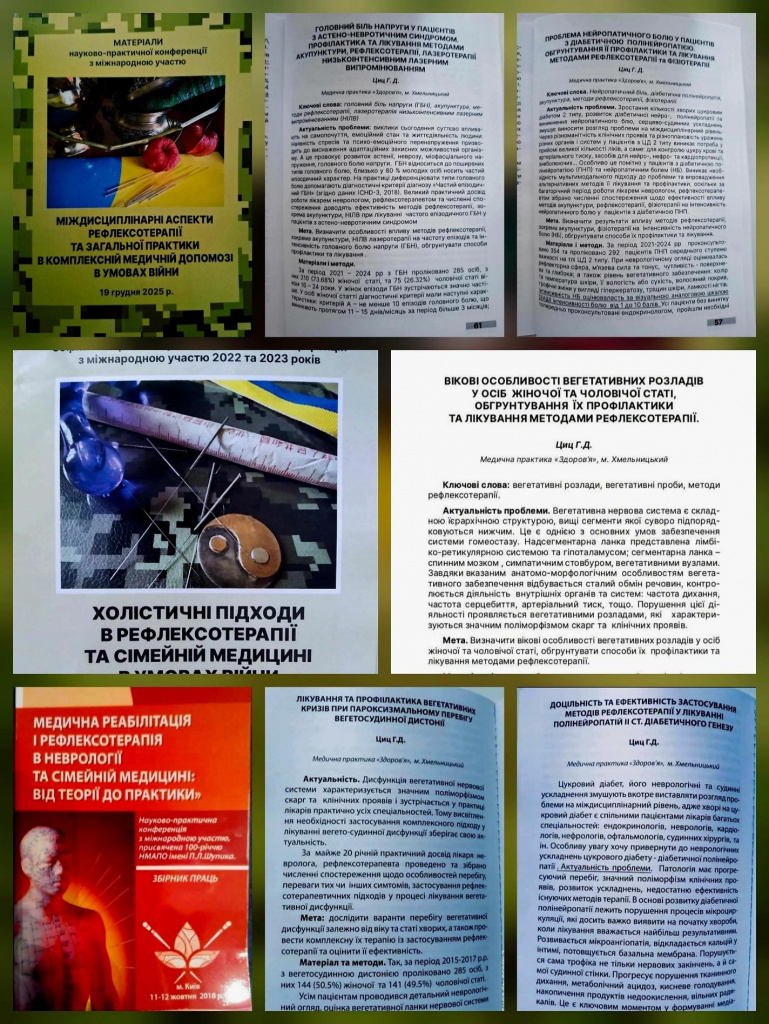
Accumulated years of practical experience prove the unquestionable effectiveness of reflexotherapy methods in the treatment of vegetative disorders (vegetative-vascular dystonia), polyneuropathy, tension headache, lumbago, neuropathic pain, and other conditions.
Indications for Treatment with Reflexotherapy and Acupuncture Methods
 Neuritis (facial nerve, nerves of the upper and lower extremities)
- Trigeminal neuralgia
- Polyneuropathy (diabetic, dyshormonal)
- Vegetative disorders (vegetative-vascular dystonia), Raynaud's syndrome, hyperhidrosis of palms and soles
- Tension headache, migraine
- Chronic neuropathic pain, myofascial pain syndrome
- Osteochondrosis, herniated discs of the spine
- Lumbago, sciatica, vertebrogenic pain syndromes
- Carpal and tarsal tunnel syndromes
- Vasomotor (allergic) rhinitis, tinnitus (ringing in the ears)
- Psychosomatic disorders (hypertension, peptic ulcer disease of the stomach and duodenum)
- Astheno-neurotic and anxiety disorders, parasomnias (sleep disorders)
Types and Areas of Reflexotherapy
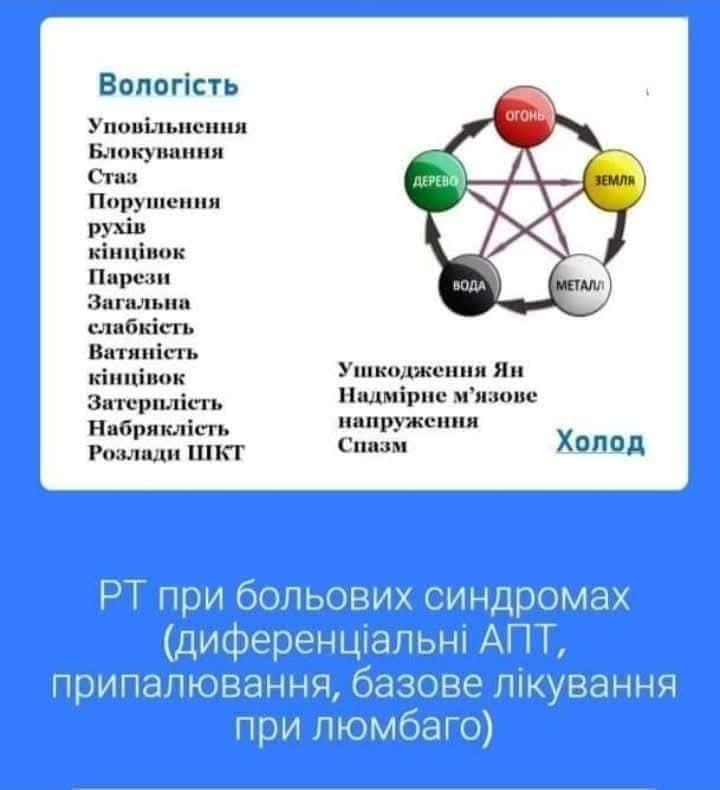
Zhen-Jiu thermal therapy — warming or moxibustion of reflexogenic zones (RZs) and acupuncture points (APs) with wormwood cigars or moxas allows for enhancing the therapeutic effect of acupuncture. The method has a harmonizing effect on the vegetative nervous system and a relaxing effect on the psycho-emotional sphere. For many conditions in neurology (neuritis, neuropathies) and in acute pain syndromes (lumbago), it is a cornerstone treatment.
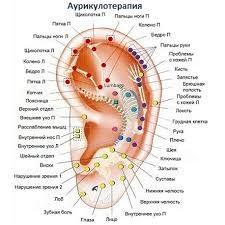
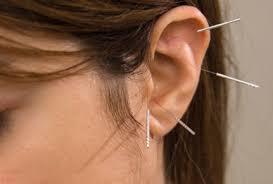
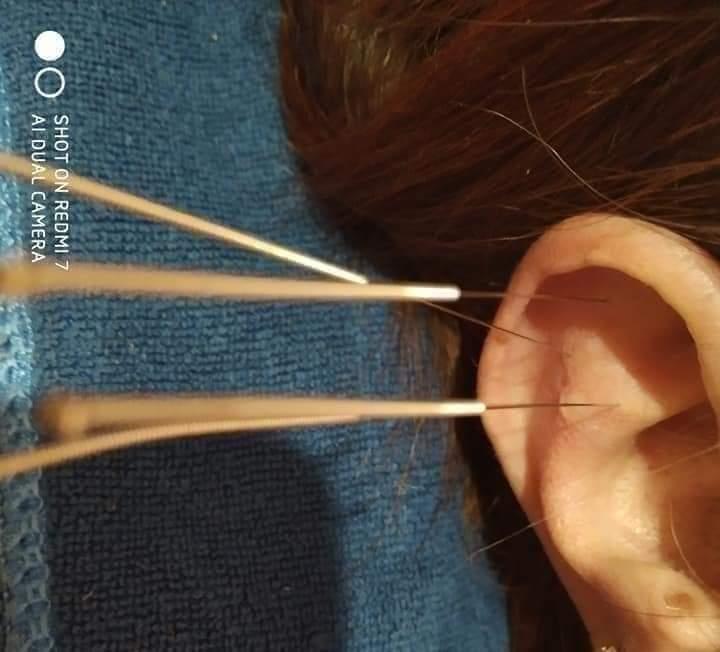
Ear acupuncture (Auriculotherapy) — due to the anatomical and physiological features of the structure and innervation, the auricle contains projection zones in which acupuncture points affecting the organs and systems of the human body are grouped. Knowledge of point topography, representation of internal organs and systems on the auricle, as well as the correct choice of the method of influence, allows the doctor to quickly relieve pain in any part of the body or internal organs and regulate blood pressure fluctuations in collaptoid states and sympathoadrenal crises.
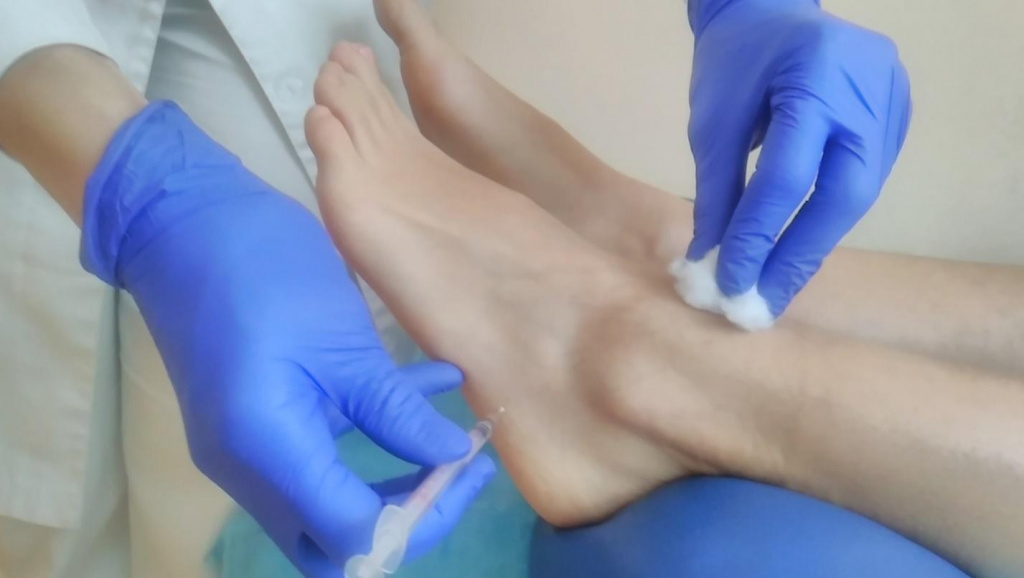
Medicational pharmacopuncture — the introduction of medications directly into acupuncture points is particularly useful in case of dysfunction of internal organs (digestive, endocrine, urinary, respiratory systems). The technique allows for relieving stomach spasms, eliminating biliary dyskinesia, and improving enzyme secretion. In addition, it allows for quickly achieving local pain relief, muscle relaxation, reduction of pain and swelling in muscle-tonic and neurodystrophic manifestations of osteochondrosis, periarticular, and myofascial pain syndromes.
Results and Additional Effects of Treatment
The results of using acupuncture and reflexotherapy emphasize that in addition to eliminating the symptoms of the main disease, these methods cause a number of important non-specific effects:
- Harmonization of the central nervous system activity and emotional state;
- Stabilization of the peripheral nervous system functions;
- Normalization of the vegetative nervous system activity;
- Activation of working capacity and enhancement of adaptive processes;
- Normalization of the endocrine and immune systems activity;
- Stimulation of regenerative and trophic tissue mechanisms and cellular defense;
- Absolute safety: absence of adverse reactions, negative impact, withdrawal syndrome, and addiction.
If you have any questions regarding the treatment of your disease using acupuncture and reflexotherapy methods, please contact our center. At "Medpraktika Zdorovya", the treatment is conducted by a certified specialist:
Reflexotherapist of the highest category
Neurologist of the highest category